From your first lesson to the flight deck or the control tower
There are two ways to work in the sky. Pilots fly the aircraft, and air traffic controllers keep them apart from the ground. Both are demanding, well paid once qualified, and expensive or selective to enter.
The big difference is who pays. Pilot training is usually self-funded (£48,000 to £129,000 at flight school) unless an airline cadet scheme sponsors you. NATS trains controllers on a salary. Both need a medical, so check yours before you spend anything.

First Officer
Captain
Flight Instructor
Tower Controller
Approach/Radar Controller
En-route Controller
Flight Operations Officer
Flies as second in command and builds the hours needed for command.
Commands the aircraft and is responsible for crew, passengers and the flight.
Teaches students to fly and builds hours, a common step towards an airline.
Directs take-offs, landings and ground movements from the airport tower.
Sequences arriving and departing aircraft near busy airports.
Guides aircraft across UK airspace between airports.
Plans routes, fuel and weather for flights and supports pilots from the ground.
Airlines, cargo and charter operators
Airlines and business aviation
Flight schools and aero clubs
NATS and airport operators
NATS and major airports
NATS control centres
Airline operations centres
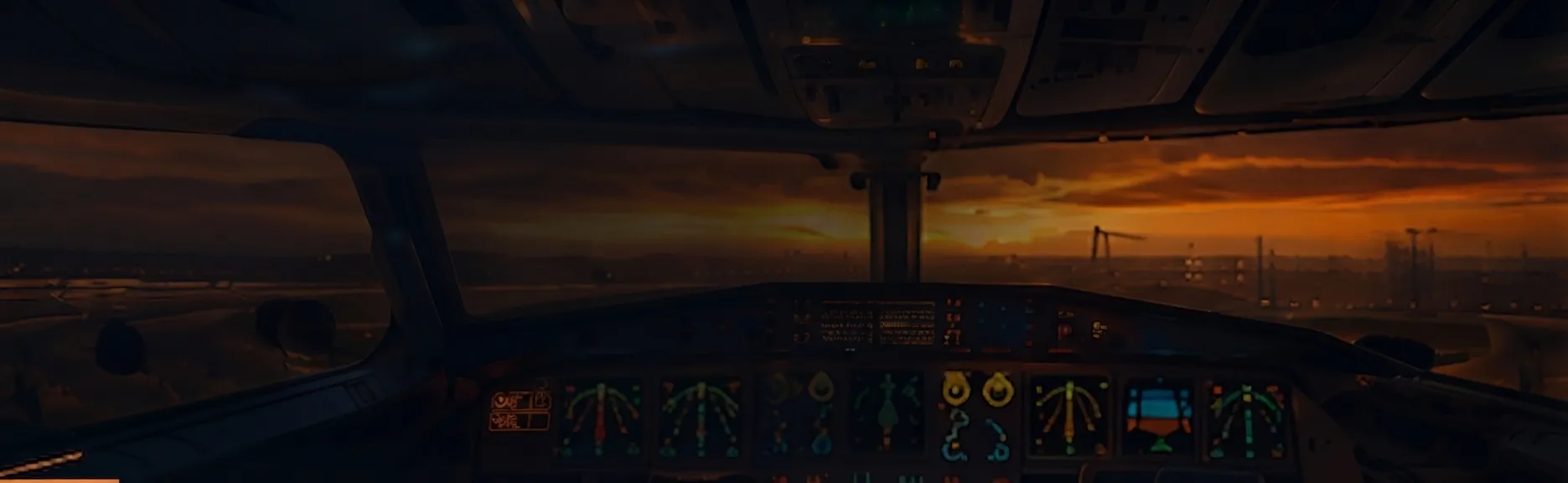
Report for duty, read the weather and brief with the captain.
Walk-round checks, fuel and paperwork before boarding.
Take off and fly the first sector, with the first officer flying or monitoring.
Turn the aircraft round and fly the return sector.
Land, complete the reports and finish the duty.
An airline selects and sponsors you through training. Very competitive, and some schemes pause, so don't rely on one.
Integrated costs about £95k to £129k over 18 to 24 months. Modular costs about £48k to £90k over two to four years. You pay and apply to airlines afterwards.
A paid Level 5 apprenticeship to become an air traffic controller. Selective, with four assessment stages.
Get your medical first. Around 3 to 5% fail the Class 1.
A licence isn't a job. You may wait three to six months for a type rating, and airlines pause hiring.
Fail the NATS process and you can't reapply until the next campaign, so prepare properly the first time.
Live pilot and air traffic graduate schemes and apprenticeships, updated every 3 hours.
Browse the Directory →Plain-English guides to cadet schemes, flight school costs and the NATS process.
Read pilot and ATC articles →
Honest aviation and aerospace career guidance for the next generation.