
Cross wind
September 15, 2026
Becoming a fully Licensed Aircraft Engineer (LAE) in the UK in 2026 will take you between two and five years of gruelling shift work, up to 17 uncompromising theory exams, and the willingness to take on personal criminal liability for the safety of hundreds of passengers.
That reality is not in any college brochure. It is what actually happens when you look past the glossy airline advertisements and dig into the post-Brexit regulatory landscape.
The aviation skills shortage is real. There are roughly 14,015 active Part-66 licensed professionals in the UK keeping the industry airborne. Yet, 60% of them are over the age of 45 and heading for retirement. Airlines and Maintenance, Repair, and Overhaul (MRO) providers are desperate. Senior B1/B2 LAEs are clearing £89,000+ in permanent roles, while freelance contractors can easily exceed £130,000 a year.
The opportunity exists. The path to it is harder, more legally perilous, and structurally different than the industry likes to admit. This guide covers the whole picture.
To understand this career, you have to understand the absolute legal distinction between physical labour and certification authority. It changes your risk profile entirely.
The Unlicensed Technician
You do the physical work. You turn the spanners, wire the looms, and replace the components. The pay peaks around £36,500 to £45,000. You go home at the end of your shift knowing you have zero legal authority to declare the aircraft safe to fly, which means you also have zero risk of going to prison if a component fails. Many people stay at this level for their entire careers.
The Licensed Aircraft Engineer (LAE)
You hold a UK Civil Aviation Authority (CAA) "Part-66" licence. You might still do physical work, but your primary job is quality assurance and signing the Certificate of Release to Service (CRS). When you sign that document, you are personally, legally guaranteeing under the Air Navigation Order that the aircraft is airworthy. If it crashes due to a maintenance error you signed off on, the Air Accidents Investigation Branch (AAIB) investigates you directly.
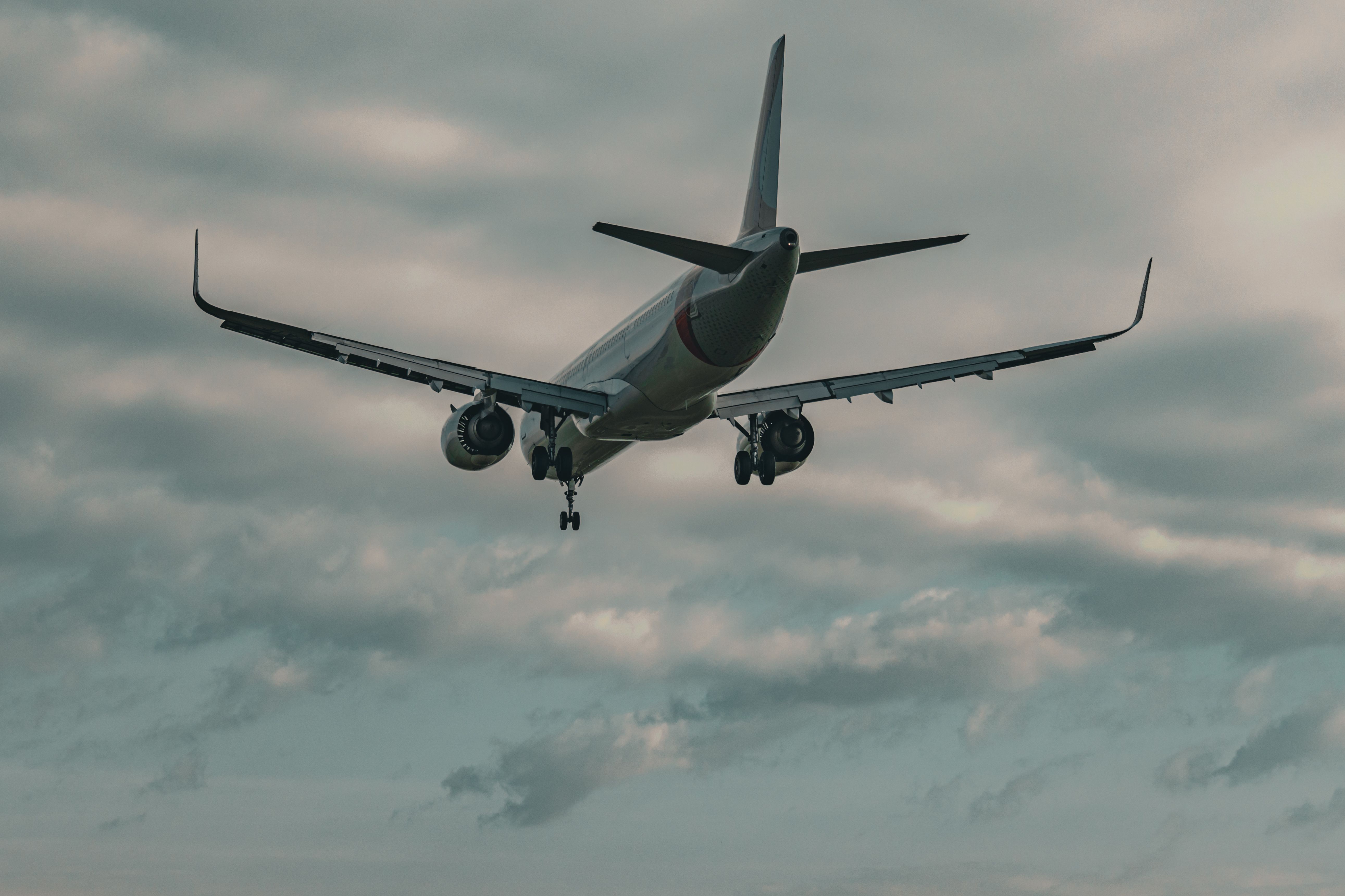
The Part-66 licence is broken into categories. You need to know which one you are aiming for before you start.
B1.1 (Mechanical): The core mechanical certifier for turbine airliners. You cover the airframe, engines, and mechanical systems.
B2 (Avionics): The digital specialist. You handle complex radar, comms, and navigation systems.
B1.E (Emerging Tech): The new 2026 category for electric and VTOL aircraft under 5,700 kg. This is where the future growth sits.
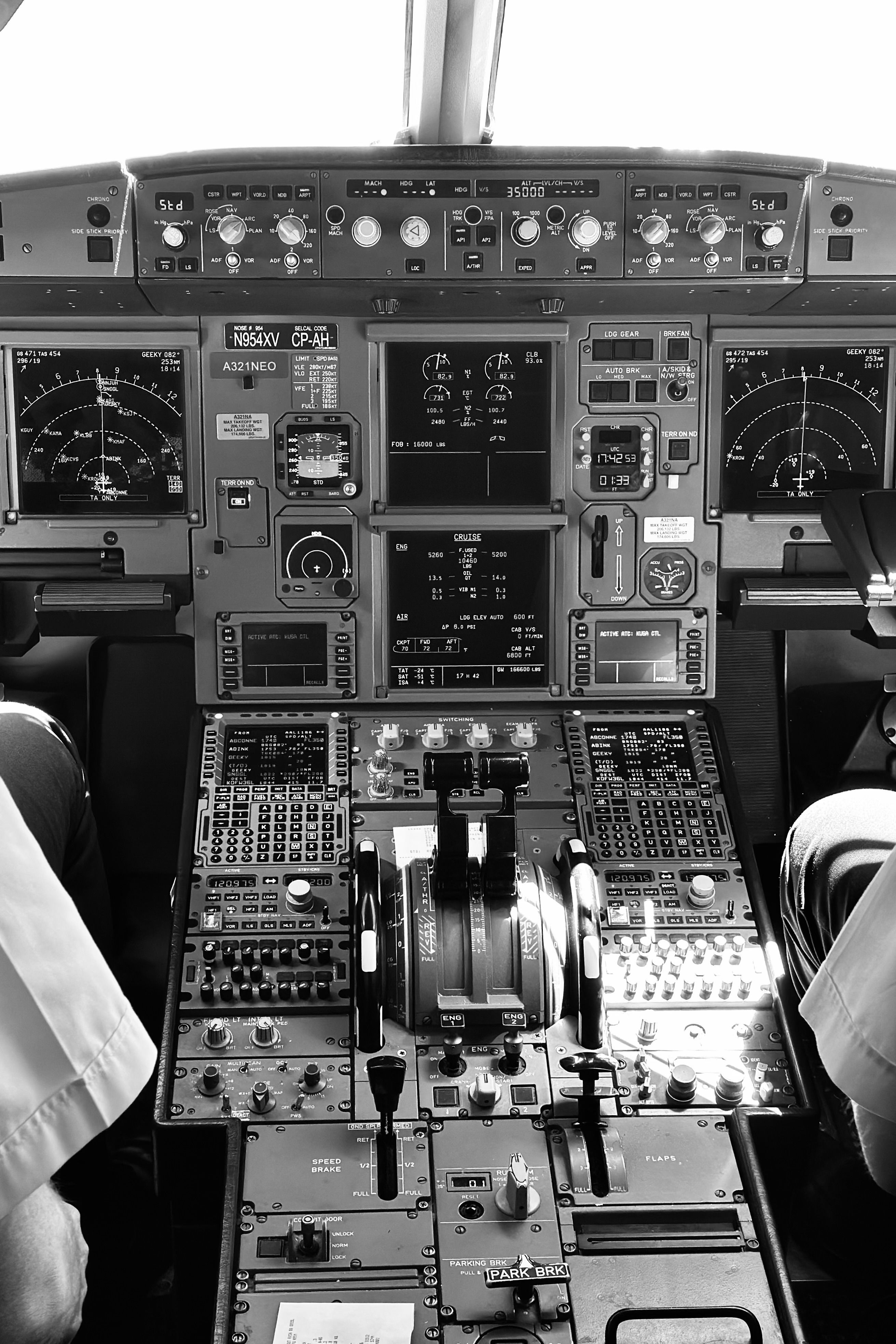
Every aspiring engineer gets told to "go to university." Most people do not know that is the least efficient way into the hangar.
Full-time, paid, 36 months from zero to qualified. This is what you should be aiming for. Employers draw down up to £27,000 in government funding to train you on the ST1315 standard. British Airways and easyJet run these schemes. You start on £14,000 to £16,000, you have zero student debt, and you get your practical experience signed off on live aircraft from day one.
This section exists because universities gloss over it, and it costs graduates years of progress. A BSc in Aerospace Engineering gives you deep academic knowledge, but it does not give you a Part-66 licence. The CAA explicitly demands hands-on maintenance experience. A university graduate must still enter the job market as a junior mechanic and spend three to five years filling out a physical logbook before they can certify an aircraft. You will be outranked by an apprentice who is three years younger than you.
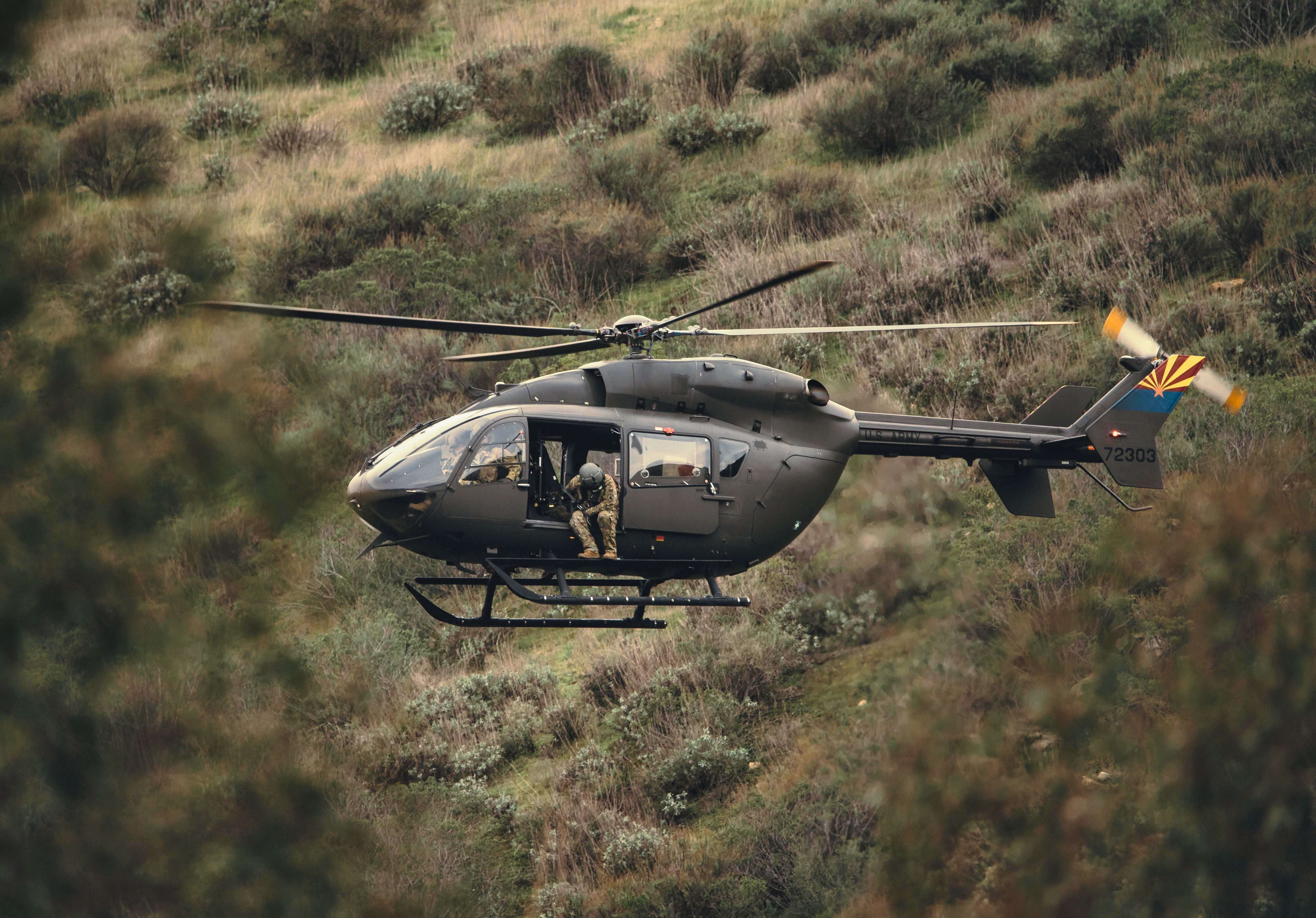
Historically, military technicians struggled to transition because their experience was on combat aircraft. In 2025/2026, the CAA and the British Army’s REME signed a Memorandum of Understanding. Military personnel can now cross-map their training directly toward a civil UK licence. If you are leaving the armed forces, this is now a streamlined fast-track.
Getting the licence is not the end. Here is what the money actually looks like.
Starting Salaries
Unlicensed Technicians: £36,500 to £45,000.
Newly Licensed LAE: £50,000 to £60,000.
Senior LAE (Line/Base): Up to £89,000+ at major hubs.
The Freelance Exodus
Nobody mentions the freelance market during apprenticeships. The UK aviation sector is currently suffering a massive drain of permanent talent to the contracting market. As an "Outside IR35" contractor, a B1/B2 LAE commands £45 to £55+ per hour. Working 12-hour shifts on a 7-on/7-off rotation nets roughly £600 a day. Annualised, you are looking at £120,000 to £150,000.
Airlines suppress permanent wages to control overheads, engineers resign to become contractors to get paid what their liability is worth, and the airlines are forced to hire them back at double the cost.
The minimum pass mark is a rigid 75%. If you are going for a B1.1, you sit 13 modules; for a B2, it's 12. You have a strict 10-year window to pass all your exams and get your practical experience signed off. If you run out of time, your exam credits wipe and you start from zero.
After Brexit, the UK CAA split from EASA. Europe (EASA) recently scrapped the written essay exams for Modules 9 (Human Factors) and 10 (Aviation Legislation), replacing them with multiple choice. The UK CAA did not. If you want a UK licence in 2026, you still have to pass subjective, written essay exams for Modules 7, 9, and 10.
This is not a casual diary. It is a legally auditable document. You must log every task in permanent ink, ordered by ATA chapters, and signed by a supervising LAE. If your logbook is filled with simple tyre changes and lacks complex troubleshooting, the CAA will reject it.
The UK has an acute shortage of avionics and composite structures engineers. Yet, the Home Office has not put aircraft mechanics (SOC 5234) on the 2026 Immigration Salary List (ISL). The "going rate" for a sponsored visa is set at £45,000-well above the median UK mechanic pay. This means airlines are financially blocked from importing entry-level talent to fix the shortage.
When you sign a CRS at 4:00 AM after a 12-hour night shift, you are alone with your liability. The AAIB constantly cites fatigue as a primary driver of maintenance disasters, like the famous BA flight 5390 where a fatigued engineer used the wrong bolts on a windscreen. The psychological pressure of knowing an honest, fatigue-induced mistake could end in a prison sentence is the exact reason why many mechanics choose never to get their licence.

If you are seriously considering this, here is the sequence that minimises risk:
Step 1: Apply for airline-sponsored degree apprenticeships (BA, easyJet). They are fiercely competitive, but they pay you to learn and keep you debt-free.
Step 2: If you do an engineering degree, secure a part-time job as an unlicensed mechanic or fitter as soon as possible. You need the practical CAP 741 hours, not just the academic theory.
Step 3: Prepare for the essay exams. The UK CAA will test your ability to write technical narratives under pressure.
Step 4: Understand the liability. You are being paid for your signature and the legal risk it carries, not just your mechanical skill.
The career is worth it for the right person. The salary ceiling as a contractor is exceptional, you will work on £100-million machines, and the job security is ironclad because the shortage is structural. But the legal risk is genuinely significant, and the path is much harder than a standard 9-to-5.
Go in informed.
Subscribe to Crosswindcareers for weekly breakdowns of aviation, aerospace, and space careers. No commercial stake. No marketing. Just the information you actually need.
.png)
Honest aviation and aerospace career guidance for the next generation.