Design, build and keep aircraft flying
Aerospace engineers design, build, test and maintain aircraft, engines and the systems inside them. The work ranges from airliners and helicopters to satellites.
Most of the job happens at a desk, in a lab or on a factory floor, not in the air. It suits people who like maths, care about detail and want their work to fly.
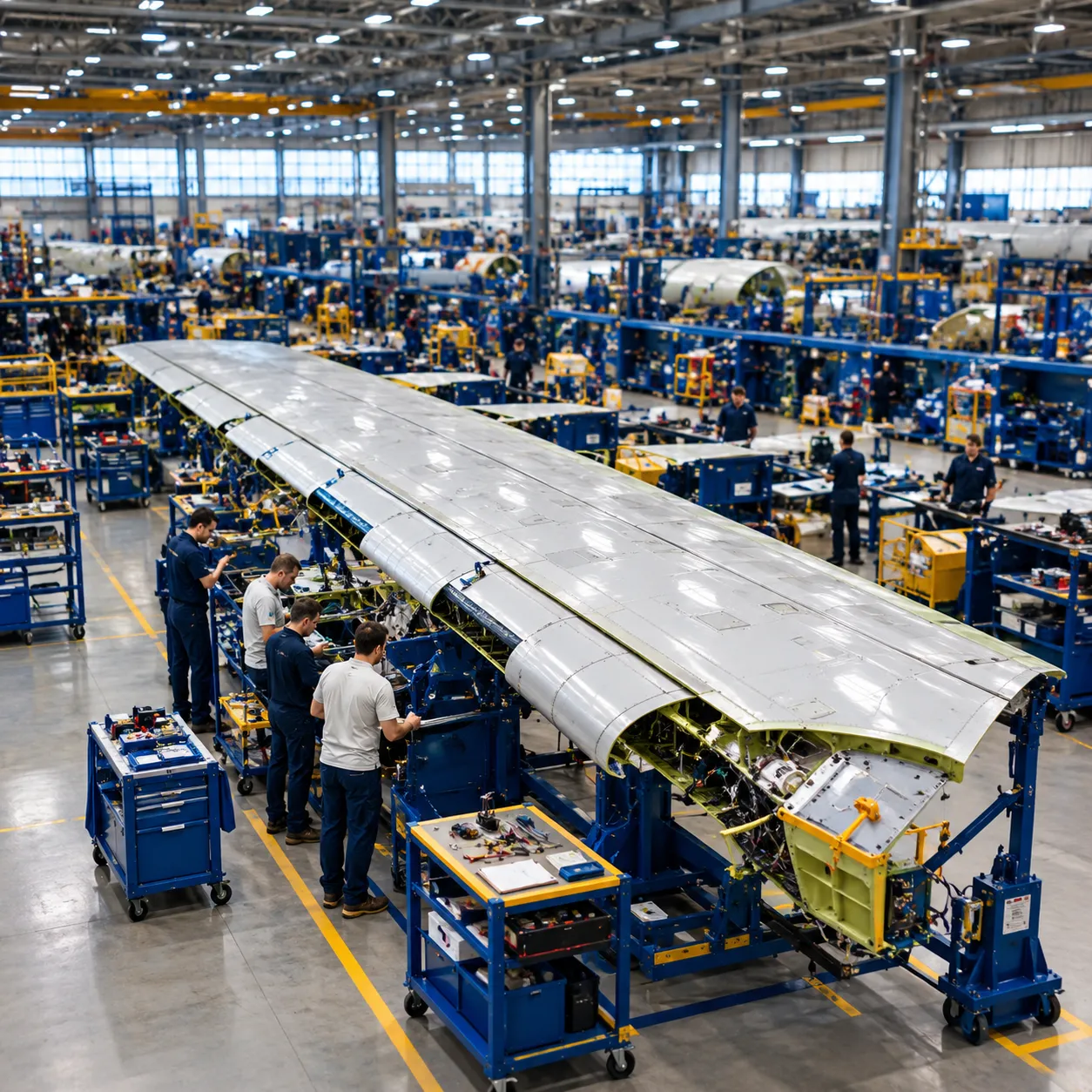
Design Engineer
Stress Engineer
Flight Test Engineer
Avionics Engineer
Propulsion Engineer
Manufacturing Engineer
Maintenance Engineer
Design and develop aircraft components and systems.
Analyse and test for strength, fatigue and safety.
Test aircraft and systems in real conditions.
Work on electronic systems and flight controls.
Design and maintain engines and propulsion systems.
Improve production and assembly processes.
Keep aircraft and systems safe and serviceable.
Manufacturers, aerospace companies.
Aerospace companies, research labs.
Airfields, test centres.
Aerospace companies, defence.
Manufacturers, airlines, research.
Factories, supply chains.
Airlines, MROs, airports.
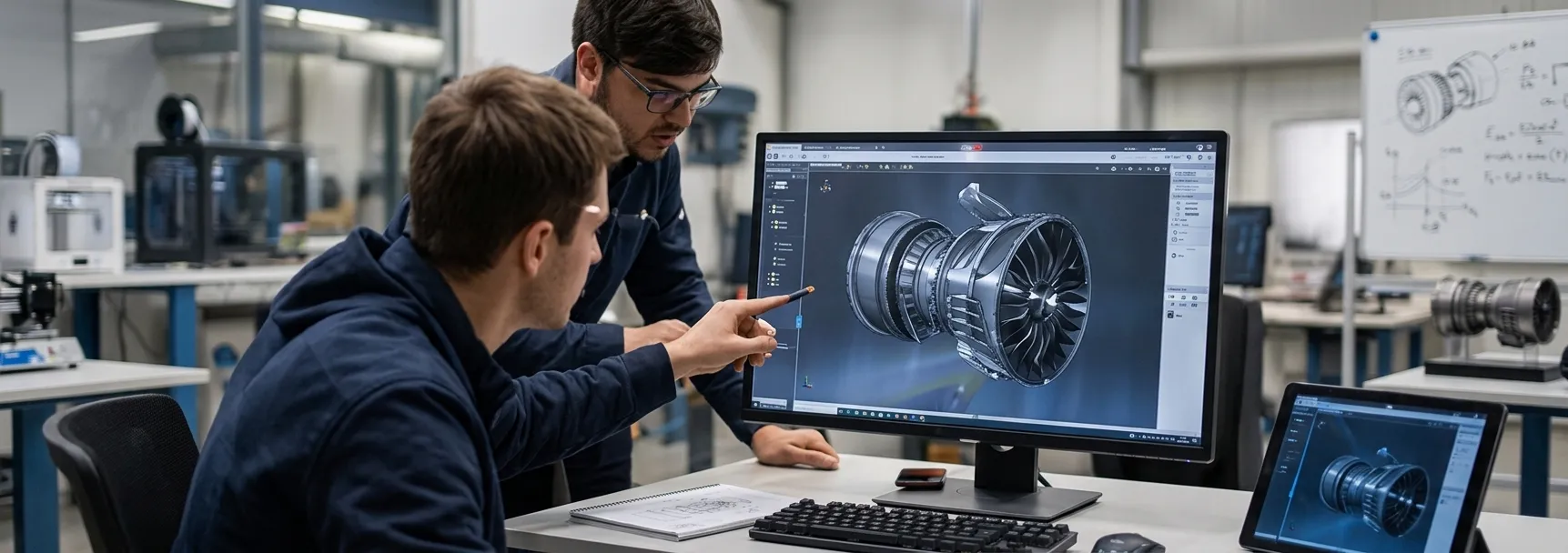
Stand-up with the design team
Update a CAD model after test results
Review a part with manufacturing
Run a stress analysis
Write up findings
Study aerospace, mechanical or materials engineering at university.
Work and study, typically with an aerospace or defence company.
Join a company's graduate programme and rotate through different teams.
Most days are spent at a computer,
not next to an aircraft.
Defence work often needs security clearance, which can take months.
A summer placement matters more than which university you went to.
Live aerospace graduate schemes and apprenticeships, updated every 3 hours.
Browse the Directory →
Honest aviation and aerospace career guidance for the next generation.